Explore St. Louis top Architect for innovative architectural design and planning services
Explore St. Louis top Architect for innovative architectural design and planning services
Blog Article
Creative Architect Designs: Reimagining Spaces With Vision
Innovative architectural designs are transforming city environments with a focus on functionality and sustainability. Architects are incorporating smart technologies and eco-friendly materials to create adaptable spaces. These designs prioritize public participation, encouraging human connection through shared areas and local cultural elements. This evolution prompts inquiry about the upcoming nature of city life and the role of architecture in improving individual quality of life. What implications do these advancements hold for society as a whole?
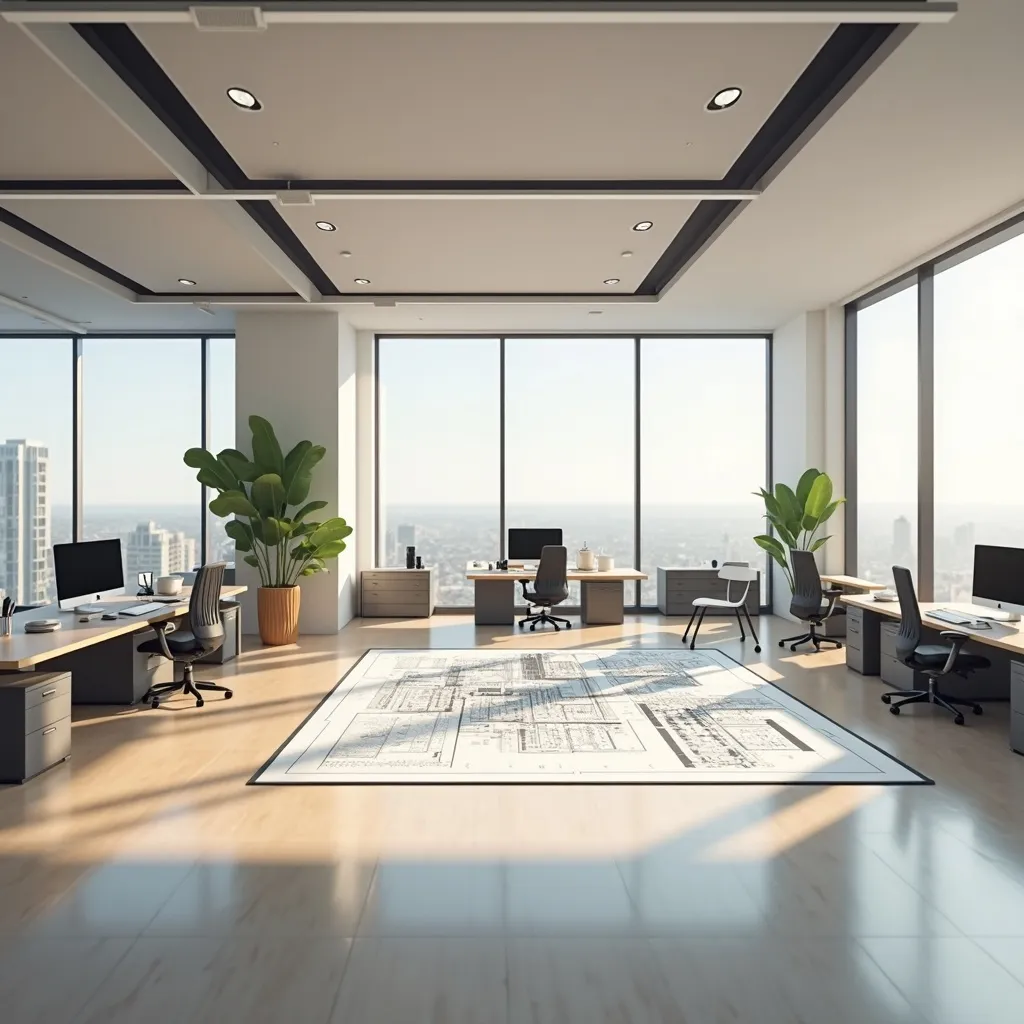
How Building Designers Shape Today's Design
Architects influence the built environment, converting abstract ideas into tangible structures that reflect contemporary needs and values. Their role extends beyond mere aesthetics; they integrate practicality, safety, and sustainability into their designs. By examining societal trends and technological advancements, architects create spaces that promote social interaction and enhance user experience. They work with engineers, urban planners, and clients, ensuring that each project meets specific requirements while adhering to regulatory standards.
Modern design requires specialists to weigh imaginative thinking with feasibility, frequently exploring innovative forms and materials that break new ground. Their endeavors addresses diverse challenges, from population concentration to environmental concerns, through developing responsive environments that meet changing lifestyles. Operating as representatives for both end users and the natural surroundings, design experts are critical in shaping the future of city skylines, ensuring that facilities not only serve immediate purposes but also endure as valuable holdings for later eras.
Sustainable Materials in Construction Design
Sustainable materials maintain an critical position in current structural design, influencing both aesthetics and functionality. By weaving in green options and harnessing recycled substances, architects can dramatically reduce environmental impact. Innovative environmental strategies also amplify these efforts, creating pathways for a more responsible building practice.
Eco-Conscious Fabric Decisions
While traditional building materials often contribute to ecological harm, forward-thinking designers increasingly prioritize sustainable alternatives that reduce environmental footprint. These materials, such as bamboo, reclaimed wood, and recycled metals, not only reduce greenhouse gas emissions but also improve building efficiency. Architects are investigating bioplastics and rammed earth, which provide durability alongside environmental responsibility. Organic insulating substances, like sheep's wool and hemp, further improve energy conservation. Such decisions also reflect a commitment to resource conservation, reducing the need for virgin materials. By incorporating local materials, architects strengthen regional economies and lower transportation emissions. This movement toward sustainable building materials find the information represents a broader movement within the architectural community, stressing the importance of architecture that aligns with the environment.
Merits of Reclaimed Resources
The application of recycled resources in architectural design provides significant advantages that align with eco-friendly principles. By utilizing materials like reclaimed wood, recycled metal, and repurposed glass, architects can minimize waste and decrease the demand for virgin resources. This approach not only preserves natural materials but also minimizes energy consumption associated with manufacturing new products.
Moreover, integrating recycled resources can strengthen the aesthetic charm of structures, showcasing unique textures and histories that new materials cannot match. Cost-wise, these materials frequently come at a reduced price, enabling economical construction without diminishing quality. Ultimately, the application of recycled resources builds environmental responsibility while promoting innovative design solutions that connect with sustainable living ideals.
Cutting-Edge Green Protocols
With builders placing greater focus on eco-consciousness, new green strategies have appeared, showing materials that both cut down on ecological footprints and enhance design versatility. Natural composites, reclaimed wood, and bamboo are leading the way, offering design attractiveness while limiting resource depletion. These elements can be used in a variety of uses, from building components to finishes, enabling distinct architectural expressions. Furthermore, the use of green insulation and low-VOC paints supports healthier indoor environments. Recycling metal and glass further shows how sustainability can merge with modern design, enabling for bold visual elements without sacrificing environmental accountability. Together, these methods not only redefine construction techniques but also create a model for upcoming progress in architectural sustainability.
Smart Innovation in Everyday Spaces
Smart technology is steadily becoming a mainstay in routine settings, equipping users with superior comfort and command. Through harmonious connection of devices, these systems not only make easier daily tasks while also meaningfully enhance resource conservation. This progression in design shows a heightened priority on operational effectiveness and environmental awareness in modern architecture.
Effortless Combining of Equipment
Refining everyday spaces, visionary professionals are steadily incorporating modern systems to craft frictionless combinations of devices. These schemes concentrate on interconnectivity, enabling home systems to speak to one another without resistance. For example, fixtures, climate devices, and protection systems can be supervised through a single interface, advancing user convenience. Architects underscore accessible arrangements, confirming that technology works with the aesthetic of the space rather than shadowing it. Vocal command tools and connected equipment are tactfully positioned to boost functionality while sustaining a unified character. This incorporation not only elevates usability but also reimagines the way individuals interact with their environments. As a result, spaces become more adaptive, attending to the dynamic needs of contemporary living while fostering an atmosphere of comfort and efficiency.
Improving Power Efficiency
Embedding modern technology into everyday spaces revolutionizes energy efficiency. Connected systems, such as intelligent thermostats and automated lighting, actively supervise and fine-tune energy usage, greatly cutting waste. These innovations allow architects to design buildings that respond dynamically to occupant needs, ensuring superior comfort while curtailing energy consumption.
Adding alternative energy sources, like solar panels, strengthens sustainability. Smart grids support real-time energy management, helping homeowners to observe usage habits and respond appropriately. Additionally, sustainable appliances and substances support reduced environmental impact.
As builders welcome these technologies, they establish structures that not only accomplish essential functions but also foster ecological responsibility. The upshot is a smooth merger of artistic value and optimization, revolutionizing how users interact with their environments.
Why Organic Design Counts for Our Environments?
Although many may fail to recognize the value of natural components in design, organic architecture serves as a key factor in advancing human vitality within artificial spaces. This strategy blends nature into structural designs, establishing a perception of attachment to outdoor settings. By adding aspects such as sunlight, vegetation, and natural materials, biophilic design strengthens psychological health and alleviates stress. Investigations demonstrate that contact with nature can increase focus, creative thinking, and total productivity.
In addition, biophilic design stimulates a more sustainable approach to architecture, as it underscores harmony between built environments and natural ecosystems. This design philosophy not only enhances visual charm but also supports ecological health by adopting sustainable materials and power-saving techniques. Essentially, prioritizing biophilic design establishes locations into healthier, more engaging spaces, benefiting users and the planet alike. As urbanization continues to accelerate, the necessity of biophilic principles in architecture becomes increasingly paramount.
Case Reviews of Modern Architectural Plans
As urban landscapes evolve, innovative architectural designs materialize, showcasing the capabilities of creativity and sustainability. One remarkable case study is the Bosco Verticale in Milan, Italy, which consists of two residential towers covered in over 9,000 trees and 20,000 plants. This forest-covered tower not only enhances biodiversity but also improves air quality and minimizes energy use.
A further case is the Cactus Tower in Copenhagen, designed to look like a cactus with its extending balconies that encourage communal interaction. This design promotes social connectivity while delivering unique living spaces.
In Singapore, the Jewel Changi Airport showcases a stunning indoor waterfall and abundant vegetation, combining nature with technology. This versatile area enhances traveler satisfaction and functions as a recreational area for the public.
These case studies exemplify how innovative architectural designs can coordinate purposefulness with ecological consciousness, converting urban spaces into flourishing, sustainable zones.
In What Ways Does Community-Driven Design Elevate Urban Living?
Neighborhood-centric architecture greatly enhances urban living by fostering social interaction and inclusivity. This approach prioritizes the needs of communities, encouraging the creation of communal spaces such as parks, plazas, and community centers. These environments serve as essential hubs where residents can gather, collaborate, and engage in recreational activities, thereby reinforcing social bonds.
Additionally, neighborhood-focused approaches commonly integrate local cultural elements, expressing the values and character of the locality. This cultivates a bond with place and promotes pride among dwellers. Features such as walkable pathways and versatile developments further strengthen accessibility, rendering urban areas easier to traverse and enter.
Also, this architectural approach frequently addresses affordability and sustainability issues, guaranteeing that various communities can thrive in city environments. Through combining these components, community-centric architecture functions as creating vibrant, resilient urban environments that improve the quality of life for all residents.
Future Directions in Building Design
Emerging trends in architecture are increasingly influenced by technological advancements and sustainability factors. The integration of smart technologies is revolutionizing building design, allowing for improved energy efficiency and improved user experiences. Architects are now employing artificial intelligence and machine learning to optimize layouts, assess environmental impacts, and streamline construction processes.
Sustainability remains a central priority, with designers emphasizing sustainable materials and clean energy options. Biophilic design is gaining traction, as practitioners incorporate natural elements to promote wellness and connectivity to nature. Additionally, prefabricated and modular building techniques are on the rise, promoting quicker construction timelines and economic efficiency.
In addition, retrofitting buildings is establishing itself as a popular approach, refurbishing old structures into usable environments while maintaining cultural heritage. As cities advance, architects are incorporating inclusive designs that support diverse populations, ensuring that urban environments are barrier-free and inviting for all. These trends announce a future where architecture synchronizes technology, sustainability, and community.
Common Inquiries Asked Frequently
What Approaches Do Architects Use to Merge Creativity and Utility in Their Designs?
Architects combine creative thinking and useful features by integrating design vision with practical requirements. They review user needs, environmental factors, and structural integrity, assuring designs are both visually attractive and usable, building harmony between form and purpose.
What Standard Difficulties Are Creative Architects Confronting Currently?
Innovative architects often encounter challenges such as financial limitations, regulatory compliance, eco-friendly material procurement, and client expectations. Juggling artistic vision with practical requirements and environmental impact further complicates their creative processes in today's changing architectural landscape.
What Methods Enable Customers to Successfully Articulate Their Vision to Architecture Firms?
Clients can plainly share their perspective to architects by providing clear objectives, visual references, and elaborate particulars. Sustaining open dialogue warrants coordination, nurturing a collective workspace that boosts understanding and facilitates the design process.
What Influence Does Cultural Context Wield on Architectural Design?
Cultural context significantly shapes architectural design by determining aesthetics, functionality, and symbolism. It informs materials, techniques, and spatial organization, making certain that structures align with local traditions, values, and environmental conditions, ultimately strengthening community identity and relevance.
How do design professionals keep current with design trends and technologies?
Architects remain abreast with current fashions and technological advances through continuous education, taking part in classes, networking at industry events, subscribing to professional journals, and engaging with online platforms that showcase innovative ideas and emerging practices in architecture.
Report this page